What Is Included in a Fire Risk Assessment?
A fire risk assessment is a legal requirement for most non-domestic premises in the UK. It identifies fire hazards, evaluates risk, and outlines steps needed to protect people and property. Below, we answer common questions about what is included and how the process works in practice.
What is the purpose of a fire risk assessment?
The purpose of a fire risk assessment is to identify potential fire hazards and evaluate the risk they pose to occupants. It also determines whether existing fire safety measures are adequate and highlights where improvements are required.
What areas of a building are assessed?
A fire risk assessment covers all accessible parts of a premises. This includes work areas, shared spaces, plant rooms, storage areas, and escape routes. The assessor will review how the building is laid out, how it is used, and whether fire safety measures are appropriate for that use.
What fire hazards are identified during an assessment?
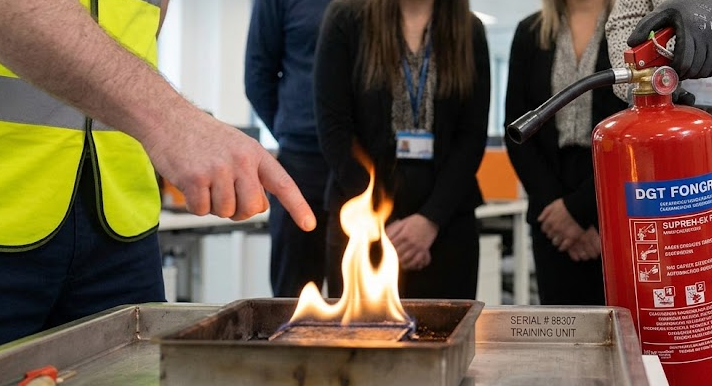
Fire hazards generally fall into three categories: ignition sources, fuel sources, and oxygen sources. An assessment examines how these elements could combine to cause a fire. Common examples include electrical equipment, heating systems, flammable materials, and poor housekeeping.
Who is considered at risk in a fire risk assessment?
A fire risk assessment identifies anyone who may be harmed in the event of a fire. This includes employees, visitors, contractors, and members of the public. Additional consideration is given to people who may be especially vulnerable, such as those with mobility issues, hearing impairments, or unfamiliarity with the building. Evacuation arrangements are reviewed to make sure they are realistic and effective for all occupants.
What fire safety measures are reviewed?
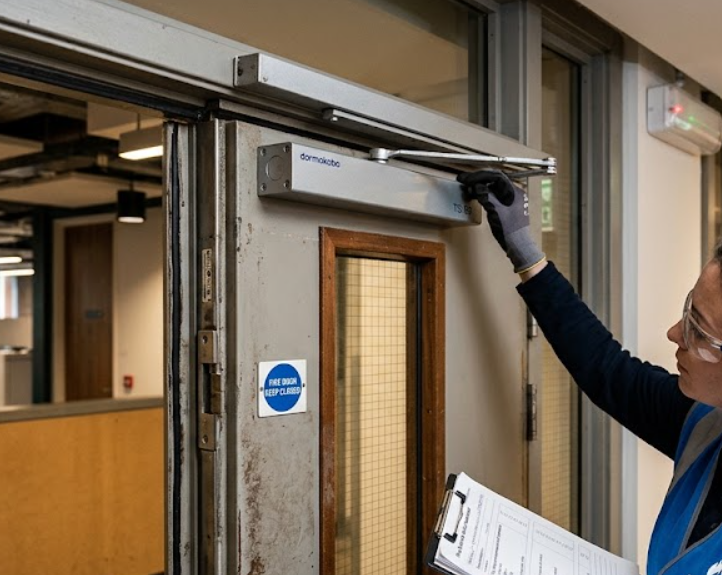
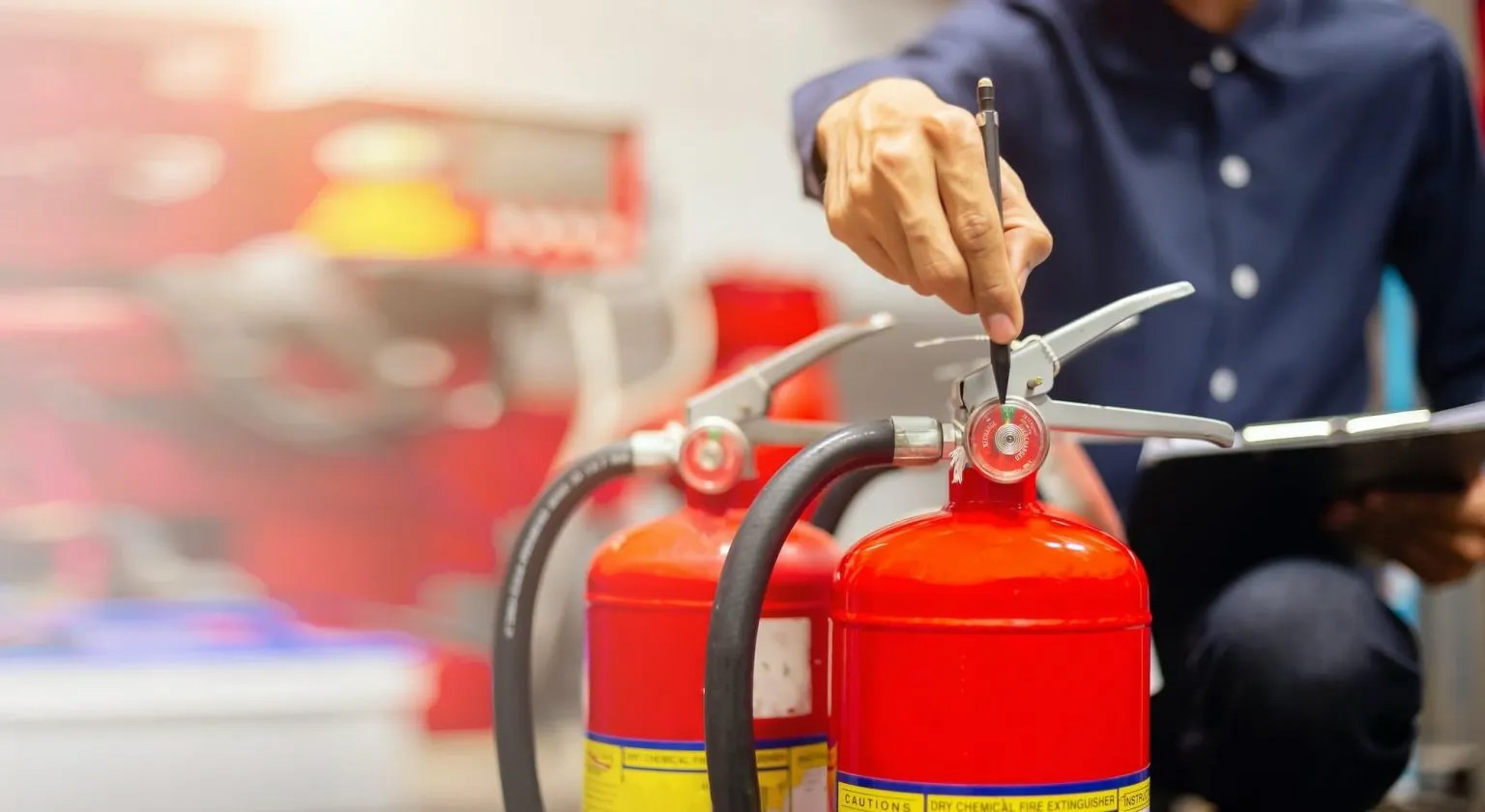
The assessment evaluates existing fire safety measures to determine whether they are suitable and sufficient. This typically includes fire detection and alarm systems, emergency lighting, fire doors, signage, and firefighting equipment.
Escape routes are checked to confirm they are clearly marked, unobstructed, and lead to a place of safety. Management procedures, such as training and evacuation plans, are also reviewed as part of the overall picture.
What documentation is provided after a fire risk assessment?
Following the assessment, a written report is produced. This document records identified hazards, evaluates risk levels, and sets out recommended actions in order of priority. The report also confirms whether the premises complies with current fire safety legislation and provides guidance on maintaining compliance going forward.
What happens if issues are identified?
If deficiencies are found, the report will outline practical steps to address them. These may range from minor housekeeping improvements to more major changes to fire safety systems or procedures.
Addressing recommendations within appropriate timeframes helps reduce risk and demonstrates a proactive approach to fire safety management.
How Fire Safety Compliance Can Help
Understanding what is included in a fire risk assessment is key to meeting legal obligations and protecting people. To arrange a professional fire risk assessment or discuss your responsibilities, contact Fire Safety Compliance to review your premises and confirm appropriate measures are in place.

Liam is our founder and Managing Director, bringing nearly a decade of experience in fire safety regulation and compliance across both the public and private sectors.
He holds a Level 4 Diploma in Fire Safety, earned during his time as an Inspecting Officer with his local Fire & Rescue Service. With a strong background in fire strategy development and fire risk assessment, Liam is dedicated to delivering expert guidance that improves building safety.