Achieving full legal compliance with fire safety regulations can feel daunting for business owners, landlords, and site managers across the UK. Furthermore, with strict legislation enforced by local Fire and Rescue Authorities, understanding your exact duties is essential to keep people safe and protect your organisation from legal liability.
If you are asking yourself, “how do I become fire safety compliant?”, this comprehensive step-by-step guide breaks down the process into clear, manageable actions.
Step 1: Identify the Designated “Responsible Person”
Under the Regulatory Reform (Fire Safety) Order 2005, every commercial building or non-domestic premises must have a designated Responsible Person.
Consequently, this role usually falls to:
The employer in a workplace setting.
The owner or landlord of a commercial property.
A designated facilities manager or managing agent with operational control.
Additionally, under Section 156 of the Building Safety Act 2022, the Responsible Person must be clearly identified, and their details must be documented as part of your official safety records.
Step 2: Complete a Suitable and Sufficient Fire Risk Assessment
The cornerstone of fire safety compliance is the Fire Risk Assessment (FRA). Therefore, you cannot claim compliance without an active, comprehensive assessment in place.
A legally compliant Fire Risk Assessment follows five key stages:
Identify Fire Hazards: Spot potential ignition sources (faulty wiring, heaters), fuel sources (paper, packaging, chemicals), and oxygen supplies.
Identify People at Risk: Determine who is on site, including staff, visitors, contractors, and vulnerable occupants who may require extra support.
Evaluate and Control Risks: Remove hazards where possible or put measures in place to control remaining risks. As a result, your overall site risk is lowered.
Record Findings and Action Plans: Document all significant hazards, mitigation actions, and responsible individuals.
Review Regularly: Update the assessment annually or whenever layout, machinery, or occupancy changes significantly.
Note: Under updated guidance, all premises must record their Fire Risk Assessment findings in writing, regardless of employee numbers.
Step 3: Install and Maintain Essential Active Safety Systems
Identifying hazards is only half the battle; however, to become fire safety compliant, you must also ensure your physical systems are installed to British Standards and serviced at mandatory intervals.
Maintenance Schedule for Essential Equipment:
| Equipment Type | Testing Frequency | Servicing Frequency |
| Fire Alarm System | Weekly call-point test | 6-Monthly professional inspection |
| Fire Extinguishers | Monthly visual check | Annual service by certified engineer |
| Emergency Lighting | Monthly “flick” test | Annual 3-hour full discharge test |
| Fire Doors | Routine visual check for gaps/seals | Regular detailed hardware check |
All testing and service visits must be documented in a central logbook. Consequently, failing to produce maintenance records during an inspection is one of the most common reasons for non-compliance notices.
Step 4: Implement Clear Emergency Procedures and Staff Training
Physical equipment is useless if occupants do not know how to react in a crisis. Therefore, legal compliance requires robust operational procedures and regular staff instruction.
To ensure full compliance, employers must provide:
Induction Fire Training: Delivered to every new employee on day one.
Annual Refresher Training: Regular updates to keep safety top of mind for all staff.
Designated Fire Wardens: Trained personnel responsible for assisting during an evacuation.
Fire Drills: Executed at least once a year to test evacuation times and highlight potential bottlenecks.
Personal Emergency Evacuation Plans (PEEPs): Documented arrangements for individuals with mobility issues or disability needs.
Step 5: Maintain Clear Escape Routes and Housekeeping
Many compliance failures happen during daily operations rather than formal audits. Because of this, good housekeeping is vital for keeping exit paths clear and operational.
Check your premises daily to ensure:
Corridors, stairwells, and final exit doors are completely clear of clutter, stock, and waste.
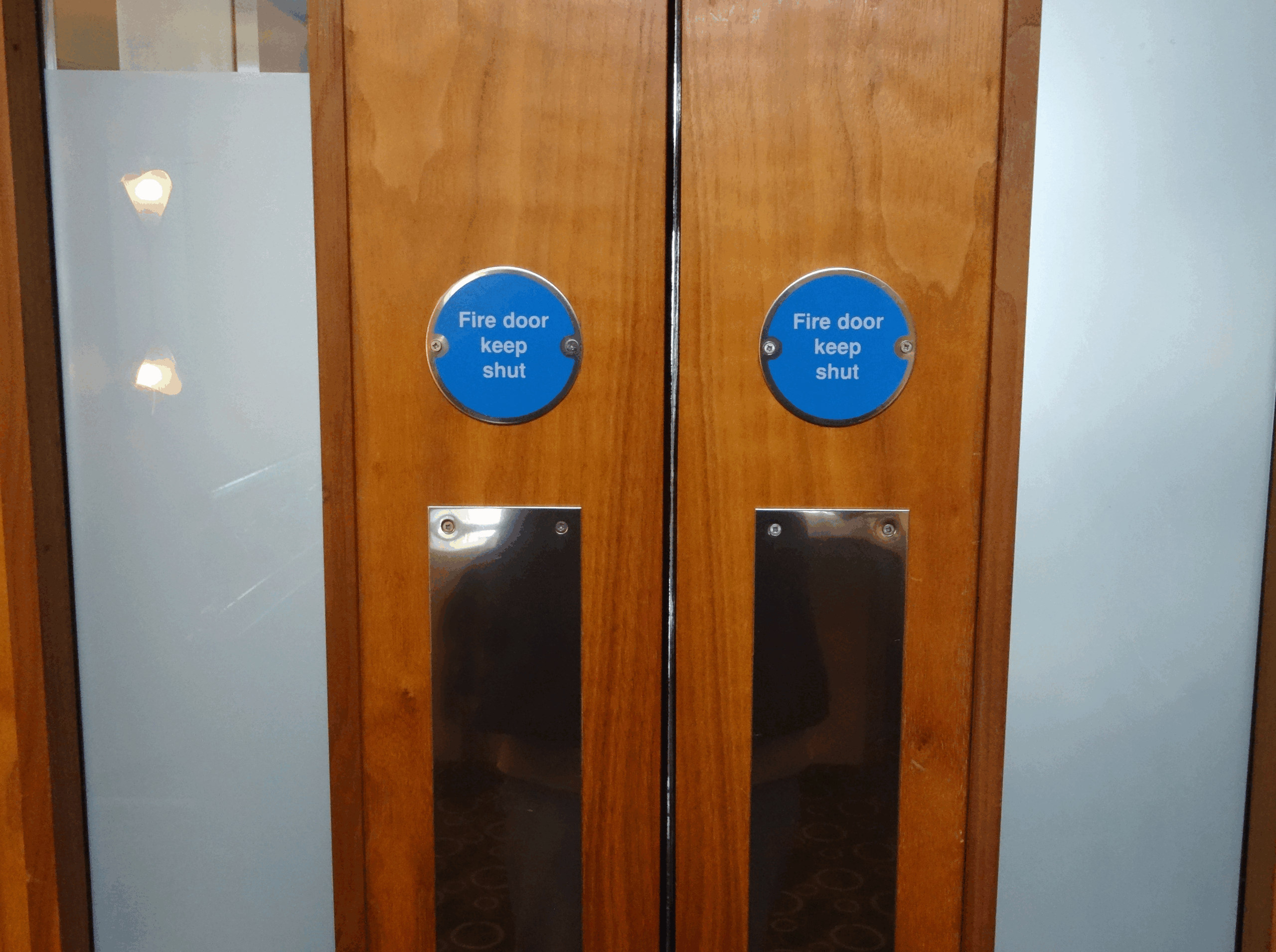
Fire doors are never wedged open or obstructed.
Fire escape signage is clearly visible from all main work areas.
Combustible materials are stored safely away from ignition sources.
Step 6: Maintain Your Audit Trail and Digital Records
Regulatory bodies and insurance providers expect proof of compliance. As a result, you should maintain a single, easily accessible audit trail containing:
Your written Fire Risk Assessment.
Fire system installation and maintenance certificates.
Weekly testing logs for alarms and emergency lighting.
Staff training records and fire drill logs.
How Fire Safety Compliance Helps Your Business
When considering how do I become fire safety compliant, remember that achieving and maintaining compliance is about more than just avoiding fines or enforcement action. Ultimately, partnering with specialist fire risk assessors ensures that your business stays protected, your insurance policy remains valid, and your workforce feels safe every single day.
At Fire Safety Compliance, we offer expert guidance, fire risk assessments, and maintenance support tailored to your unique building requirements. Contact our team today to review your current setup and secure your peace of mind.