What Is PAS 79?
PAS 79 is a published specification that provides guidance and a recommended methodology for carrying out fire risk assessments. It helps fire risk assessors take a structured approach to identifying fire hazards, evaluating risks and determining what precautions may be needed to protect people.
Fire risk assessments are an important part of fire safety management in many non-domestic premises. Using a recognised methodology can help ensure that relevant hazards, existing precautions and potential improvements are considered systematically.
In this guide, we explain what PAS 79 is, how it relates to fire risk assessments and why it matters to those responsible for fire safety.
What Does PAS 79 Stand For?
PAS stands for Publicly Available Specification. PAS 79 is associated with guidance on fire risk assessment and a recommended approach to assessing fire risks in buildings.
The PAS 79 series includes different parts for different types of premises. PAS 79-1:2020 addresses non-housing premises, while PAS 79-2:2020 covers housing premises.
The appropriate guidance depends on the type of building and the scope of the assessment. It is important to use the relevant edition and understand how it applies to the premises being assessed.
What Is PAS 79 Used For?
PAS 79 provides a structured approach to fire risk assessment. It helps an assessor examine the premises, consider the people who may be affected by a fire and evaluate the adequacy of the existing fire precautions.
The assessment may consider:
- Sources of ignition and combustible materials.
- The people who use or may be affected by the premises.
- Fire detection and warning arrangements.
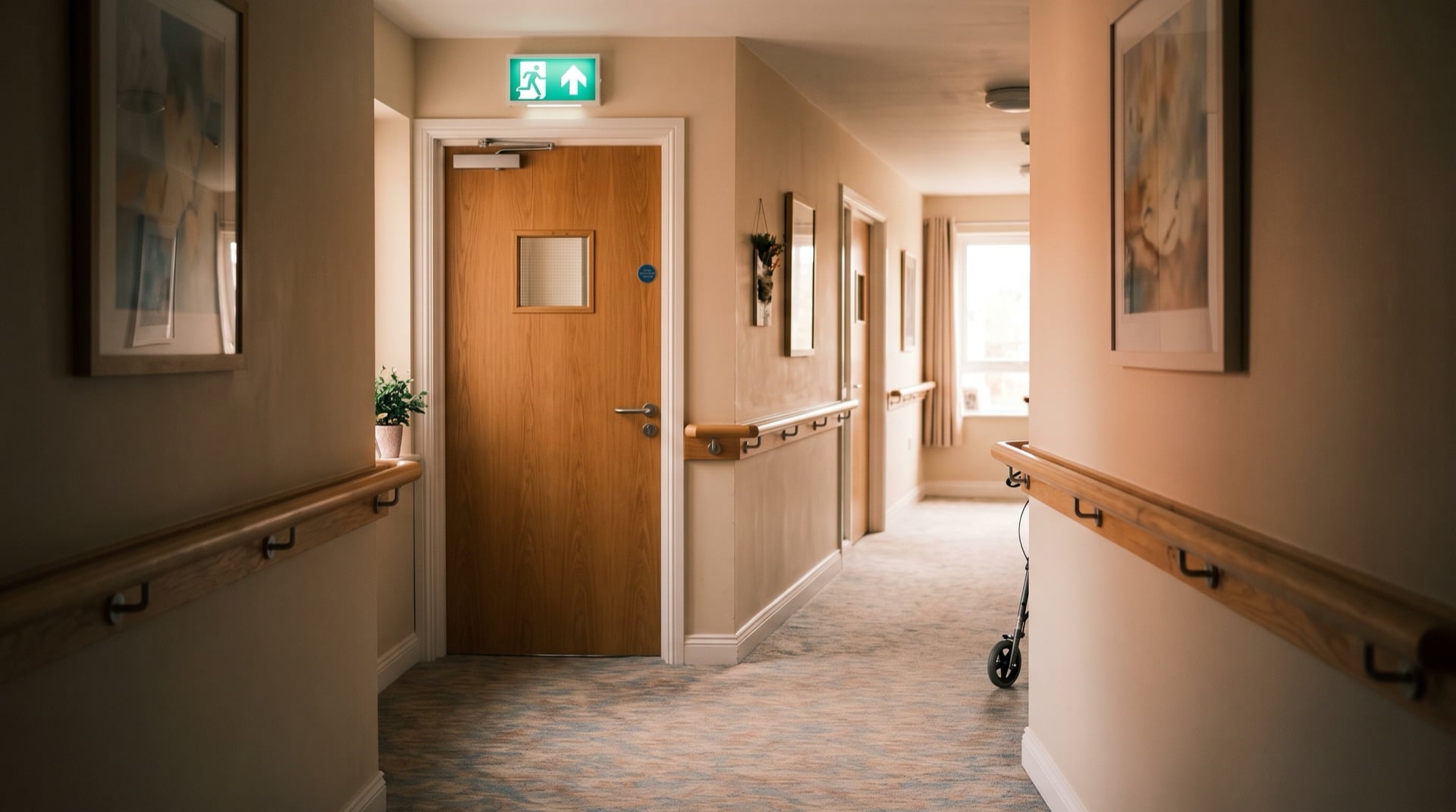
- Escape routes and emergency exits.
- Measures intended to limit the spread of fire and smoke.
- Firefighting equipment and other protective measures.
- Fire safety management, maintenance and staff training.
- An action plan for addressing identified shortcomings.
The specific issues considered will depend on the building, its use and the risks identified during the assessment.
How Does a PAS 79 Fire Risk Assessment Work?
A fire risk assessment should follow a systematic process. PAS 79 provides a recommended methodology to help guide this work.
1. Identify Fire Hazards
The assessor considers anything that could cause a fire or contribute to its development. Potential hazards may include electrical equipment, heating systems, cooking facilities, smoking materials, combustible waste and the storage or use of flammable substances.
2. Identify People at Risk
The assessment considers employees, visitors, contractors, customers, residents and other people who could be affected by a fire.
Particular attention should be given to anyone who may face additional difficulties escaping, including people with disabilities, mobility limitations or other specific needs.
3. Evaluate the Existing Fire Precautions
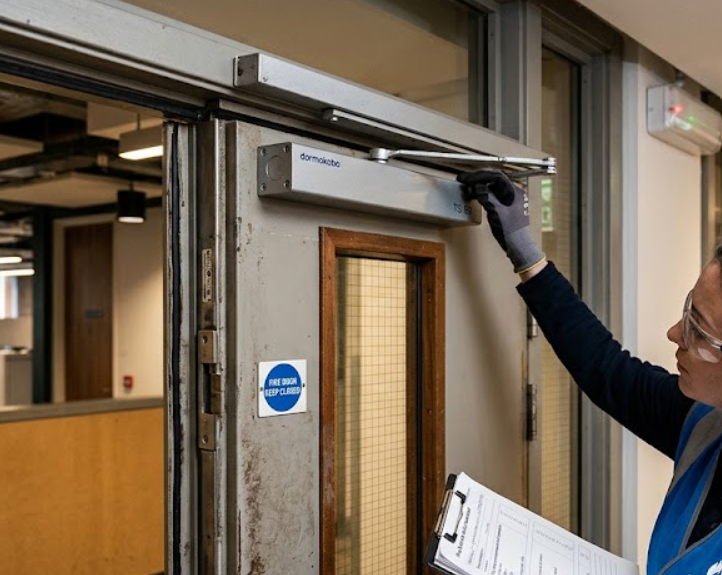
The assessor examines the measures already in place to prevent fires and protect people if one occurs.
This may include fire alarms, emergency lighting, escape routes, fire doors, compartmentation, firefighting equipment and emergency procedures.
The assessor considers whether these measures are suitable for the premises and the risks identified.
4. Record Findings and Recommend Improvements
Where shortcomings are identified, the assessment should explain what needs to be addressed and help the responsible person prioritise appropriate actions.
Recommendations may relate to physical fire precautions, maintenance, staff training, emergency planning or fire safety management.
5. Review the Assessment
A fire risk assessment should remain relevant to the premises. It may need to be reviewed when there are significant changes to the building, its use, occupancy, working practices or fire safety arrangements, or when there is another reason to believe the assessment is no longer valid.
Is PAS 79 a Legal Requirement?
PAS 79 is a guidance document rather than a piece of legislation in its own right. However, fire safety legislation places duties on responsible persons to ensure that a suitable and sufficient fire risk assessment is carried out where the relevant legal requirements apply.
In England, the Regulatory Reform (Fire Safety) Order 2005 sets out important fire safety duties for many non-domestic premises. The responsible person must ensure that the fire risk assessment is suitable and sufficient, keep the necessary records and implement appropriate fire safety measures.
PAS 79 can provide a useful methodology for conducting an assessment, but following a particular specification does not automatically mean that every legal duty has been met. The assessment must reflect the actual premises, the people at risk and the fire precautions required.
Who Should Carry Out a PAS 79 Fire Risk Assessment?
A fire risk assessment must be carried out by someone who is competent to do so. The level of knowledge and experience needed will depend on the complexity and risk profile of the premises.
A simple, low-risk workplace may require a different level of assessment from a hotel, large office building, complex commercial premises or building with vulnerable occupants.
When appointing an assessor, consider their relevant qualifications, experience, competence and understanding of the type of premises being assessed.
Why Is PAS 79 Important?
A structured assessment helps ensure that fire hazards, people at risk and existing precautions are considered in a consistent and methodical way.
For businesses and property managers, this can help identify gaps in fire safety arrangements, establish an action plan and support ongoing fire safety management.
However, a fire risk assessment should not be treated as a one-off paperwork exercise. Its findings need to inform practical action, maintenance, staff information and emergency planning.
Fire Risk Assessment Support from Fire Safety Compliance
Understanding which guidance applies to your premises is an important part of managing fire safety effectively.
Fire Safety Compliance can help you explore your fire risk assessment requirements and identify suitable support for your premises. The right approach will depend on the type of building, how it is used and the risks that need to be addressed.
Contact Fire Safety Compliance to discuss your requirements and find out more about professional fire risk assessment services.